
Outdoor Psychotherapy
What outdoor therapy can offer
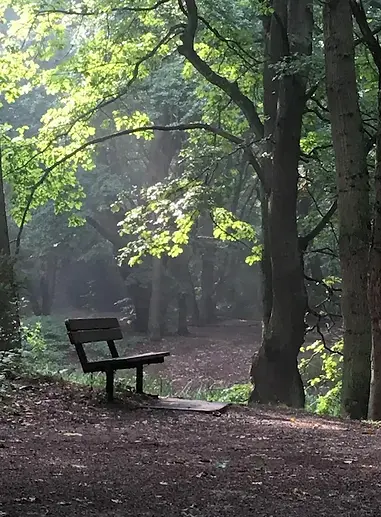
Outdoor therapy is not simply about taking therapy outside.
For some people, being in a natural environment can create a different experience of therapy. The movement, space, changing seasons and presence of the wider living world can offer another way of relating to ourselves and what we are carrying.
Working outdoors can feel less intense than sitting face-to-face in a therapy room. Some people find it easier to talk while walking side-by-side, while others appreciate the sense of openness that natural spaces can provide.
Outdoor psychotherapy may offer:
-
A sense of space and perspective
-
Greater connection with the body and physical environment
-
The opportunity to move rather than remain seated
-
A less formal therapeutic setting
-
Awareness of the relationship between inner and outer experience
-
A connection with the wider living world beyond the therapy room
Nature as part of the therapeutic relationship
My own experiences of spending extended time in natural places have shown me how the wider living world can support reflection, perspective and connection. These experiences continue to inform the way I work and my understanding of what healing and growth can involve.
Eco-psychotherapy is rooted in the understanding that we are not separate from the natural world.
The natural environment can offer a different kind of therapeutic container – one that may feel spacious, alive and less constrained than an indoor setting.
Just as we have relationships with ourselves and with other people, we also have a relationship with the wider living world.
Working outdoors can bring this relationship into awareness, offering another way of understanding ourselves.
The changing landscape, the weather and our responses to them can sometimes reflect or illuminate what we are experiencing internally, opening up new perspectives and possibilities for exploration.
For many people, this can bring a greater sense of connection, perspective and belonging.


Is outdoor psychotherapy right for me?
Outdoor therapy is not automatically better than indoor therapy.
Some people prefer the contained feeling of a therapy room, while others find outdoor work feels more natural, spacious or accessible.
Outdoor psychotherapy may be particularly appealing if:
-
You feel more comfortable walking than sitting face-to-face
-
You feel connected to nature or are curious about exploring that connection
-
You find movement helpful when reflecting or talking
-
You appreciate being in open spaces
-
You are interested in the relationship between your inner experience and the wider world around you
The most important thing is finding an approach that feels supportive for you.
Where sessions take place
Outdoor therapy sessions take place in natural spaces across London and Buckinghamshire.
London
-
Hampstead Heath
-
Big Wood, Temple Fortune
Buckinghamshire
-
Brill Common
-
Pulpit Hill Wood
Specific meeting arrangements can be discussed when we first speak.


Practicalities
Outdoor sessions usually involve walking at a gentle pace, although we may also stop, sit or spend time in one place depending on what feels appropriate.
Because sessions take place in public natural spaces, we will discuss confidentiality and how we manage the possibility of encountering other people.
Sessions continue throughout the year, and many people find that noticing changes in weather and season becomes part of the therapeutic process.
If weather conditions are particularly difficult, or if outdoor work is not practical on a particular day, sessions can usually be moved online or indoors where appropriate.
Comfortable clothing and suitable footwear are recommended.
FAQ
Get in touch about outdoor psychotherapy
Outdoor therapy offers a different way of exploring your experience – one that includes not only the relationship between therapist and client, but also the wider living world around us.
If you are curious about whether working outdoors might support your therapeutic journey, you are welcome to get in touch.